New research: peer-reviewed study validates the Universal Framework’s impact and reliability
We are pleased to announce a significant milestone for the Skills Builder Universal Framework. A new peer-reviewed study, published in Frontiers in Education, provides robust validation of the Universal Framework 2.0 as a leading tool for measuring and developing essential skills.
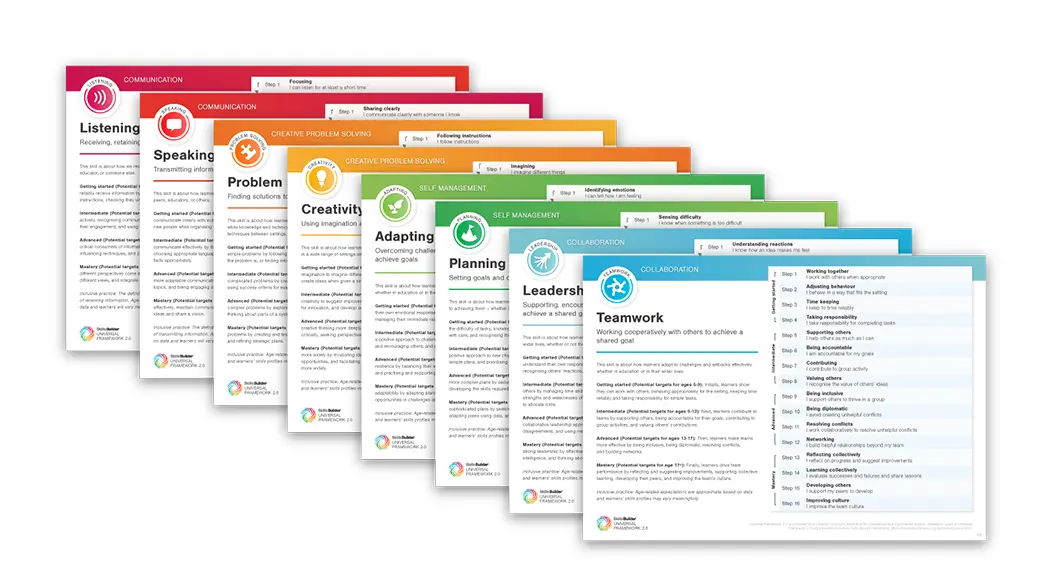
The study uses data from over 4,300 UK working adults to rigorously test the framework’s effectiveness in the modern labour market.
Why validation matters
At Skills Builder Global, our mission is to ensure that one day, everyone builds the essential skills to succeed. For that to happen, the tools we use must be more than just intuitive, they must be technically sound, predictive, and globally relevant.
This research confirms that the Universal Framework is not just a common language; it is a high-precision instrument for human capital development.
Key findings from the research
The study analysed the framework across four critical dimensions:
- Highly reliable: The research found an internal consistency (Cronbach's alpha) of 0.99. This demonstrates that the instrument is exceptionally stable and reliable when measuring aggregated skillsets.
- Supports clear progression: Through construct validity analysis, the study confirms that the "Steps" within the framework are truly sequential. There is strong "item discrimination" between lower and higher steps, meaning the framework accurately tracks a learner’s journey from beginner to expert.
- Complete and relevant: Using computational analysis to compare the framework against other international taxonomies, the study found it achieves high “completeness” and “relevance” (70.31%) while maintaining very low internal duplication (2.34%). In short: it covers what matters without being redundant.
- Powerfully predictive: Perhaps most significantly, the study established "predictive validity." Higher scores within the framework correlate with a tangible wage premium and, crucially for the future of work, the frequency and confidence of Artificial Intelligence (AI) adoption in the workplace.
A global approach
While this specific data set focused on the UK labour market, the implications are global. The Universal Framework is the engine behind a worldwide movement to bridge the skills gap.
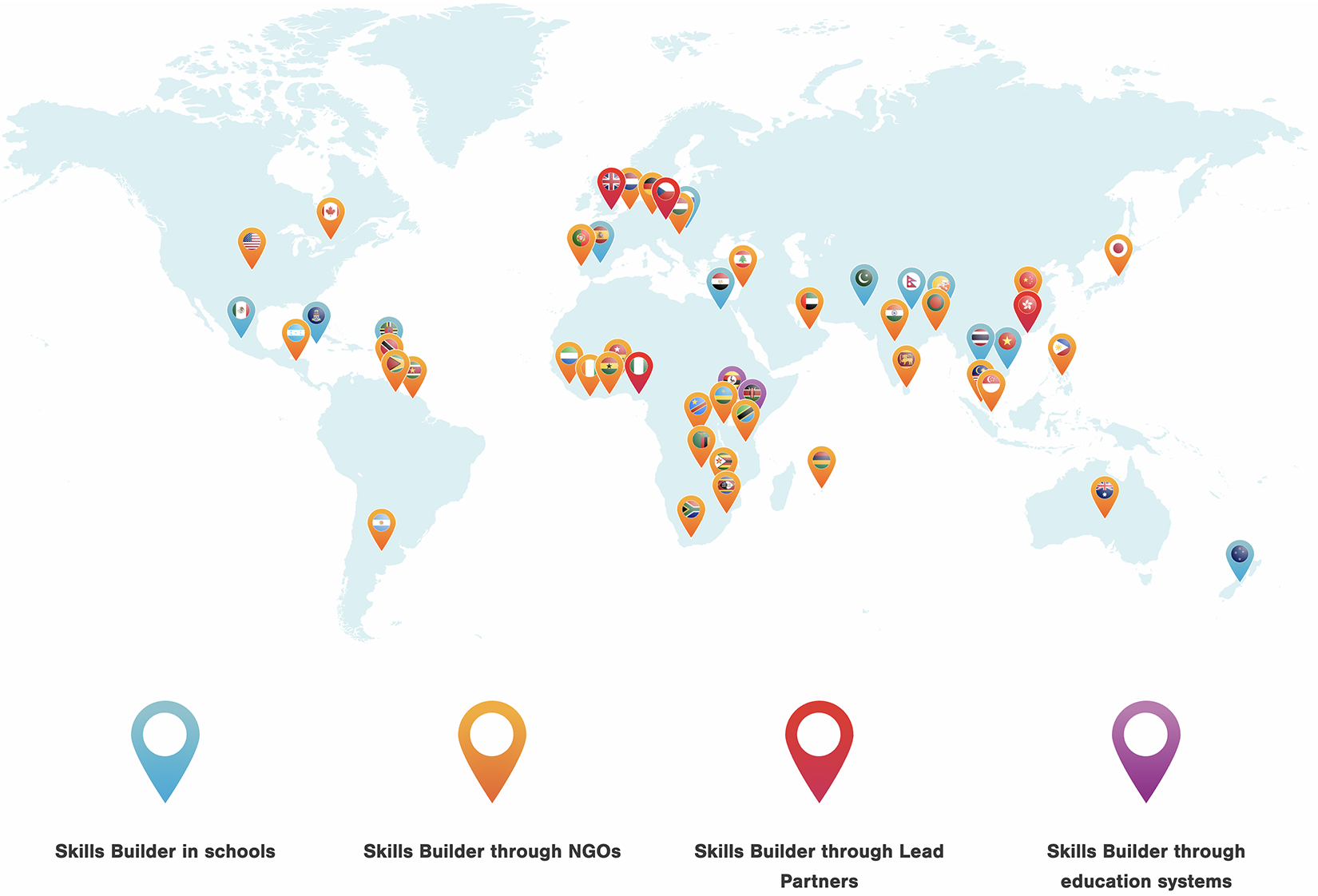
This validation strengthens the work of our lead partners across the globe who are implementing these steps in diverse contexts.
Together, we are ensuring that learners, employees, and educators everywhere are using a system that is backed by rigorous evidence.
Read the full paper
We invite our partners, educators, and policy-makers to explore the findings in more detail.
You can access the full peer-reviewed paper in Frontiers in Education here: Frontiers | Assessing the universal framework for essential skills: psychometric properties and predictive validity in the UK labour market