Making potential visible: Helping young people bridge the gap to employment
The publication of Alan Milburn’s independent review, From a Welfare State to a Working State: a new settlement for the next generation, put youth employment back at the top of the national agenda. With nearly one million young people in the UK currently not in education, employment, or training (NEET), the report sets out a clear generational promise: every young person should be guaranteed the opportunity to earn or learn.
Crucially, the review emphasises prevention. Education must act as a strong, reliable bridge between school and adult working life, giving young people early, structured career support before disengagement sets in.
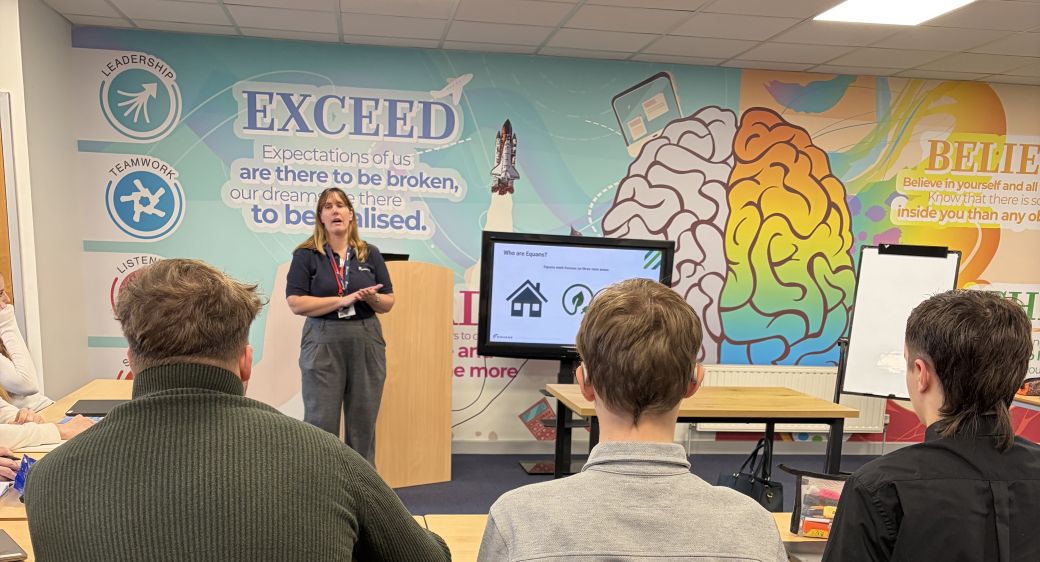
In Doncaster, Harrison College - a specialist post-16 business, enterprise, and employability college for neurodivergent young people - is already showing what that bridge looks like in practice. Measuring its success by where students go after college, the team has partnered with Skills Builder and digital portfolio platform globalbridge to turn everyday learning into verified, employer-ready proof of what young people can do.
Turning everyday essential skills practice into visible proof
Harrison College already had a strong foundation in essential skills education, embedding the Skills Builder Universal Framework across college life - work recognised when the college earned the Skills Builder Flagship Award in August 2026. With a shared language of essential skills already part of daily teaching, the team wanted a joined-up way to capture and showcase that growth over time, bringing student progress together in one accessible place rather than across separate records.
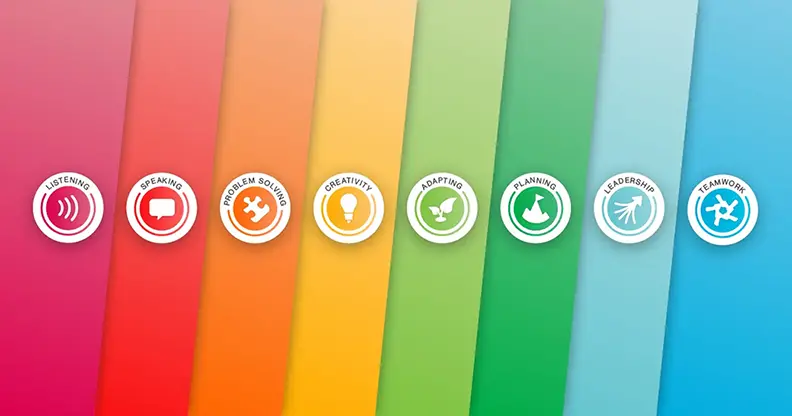
Working with globalbridge, the college launched a digital badging programme mapped directly to the Skills Builder Universal Framework. Together, they designed 16 digital badges across four core areas - Communication, Collaboration, Creative Problem Solving, and Self-Management - with 12 already live on the platform. Whenever students take part in workplace visits, projects, or employer talks, they reflect on the skills they practised and earn verified badges stored inside their personal globalbridge profile.
As Gemma Peebles, CEO of Harrison College, explains “By providing a clear pathway for skills development, alongside digital tracking and micro-badging, students can see their progress, celebrate milestones and develop a stronger understanding of the skills they need to thrive in the workplace and wider community.”
Real-world experience that builds lasting confidence
To put this approach into practice, a pilot was launched during the summer term of 2026. Working with a cohort of students preparing to enter their final year of college, the team set out to connect classroom learning directly with employer encounters. As students took part in workplace visits, talks, and projects, they logged up to three essential skills per experience on their personal globalbridge profiles - turning everyday activities into verified badges awarded by college staff.
Across that single summer term, the 31 participating students earned 115 digital badges - averaging nearly four badges each. Over the academic year, those students completed an average of 21 employer and workplace experiences apiece, adding up to 2,066 hours of real-world skill building across 16 sectors, from Healthcare to Transport and Logistics. Listening and Speaking topped the skills logged, showing just how interactive those opportunities were.
For the students, seeing their progress appear on screen sparked a remarkable shift in self-belief. In a survey of 21 participants, 95% realised they had more skills than they first thought once they built their globalbridge profile.
One student summed it up simply:
“Getting my Communication badge made me feel proud because I can actually see what I’ve achieved. Before, people would tell me I was improving, but now I have something on my globalbridge profile that shows the skills I’ve worked hard for.”
For Ben Mason, Founder and CEO of globalbridge, this work speaks directly to the current national conversation:
“We are incredibly proud to be part of this pioneering pilot alongside Skills Builder and the fantastic team at Harrison College.
The recent Alan Milburn Review and Skills England’s ambitions for a national Skills Passport reinforce the urgent need to move beyond simply recognising young people’s essential skills towards evidencing, validating and making those skills portable.
This partnership demonstrates what that future can look like in practice. By combining Skills Builder’s recognised framework with globalbridge’s digital Skills Passport technology, we are giving young people tangible, verified evidence of their development that they can own, celebrate and carry forward into further education and employment.
This is about more than recognising achievement. It is about making potential visible and ensuring every young person has the evidence to unlock future opportunities.”
Spotting support needs early and opening doors to work
Research from Skills Builder shows that people with higher levels of essential skills are up to 50% less likely to be out of work. At Harrison College, badge data is actively protecting student destinations in two distinct ways:
Catching quiet disengagement early
Student A attended college regularly, yet their badge record showed very little active skill growth. Because staff could spot that gap right away, they stepped in with structured reflection sessions and small-group “Skills Academies” tailored to the exact skills Student A needed to practise - preventing silent disengagement before it could lead to becoming NEET.
Turning skills into a first job offer
Student B used the shared language of the Universal Framework to reflect on their experiences and walked employers through their globalbridge profile during workplace visits. With verified proof of their readiness, Student B became the first learner in their year group to secure an individual internship with a local employer.
Read the full case study for more information.
Building destination readiness for the next generation
As this initial group moves into their final year, Harrison College is welcoming the next cohort onto the programme and expanding students’ profiles with photos, videos, and audio clips of their work. Over the coming months, the college will also use badge milestones as a clear benchmark to identify when learners are “intern and destination ready” before they leave.
Alan Milburn’s review reminds us that preventing youth unemployment takes practical, joined-up action between educators and employers. Harrison College and globalbridge are proving that when young people can see, name, and evidence their essential skills, they step into the world of work with confidence.
Ready to help your learners build the essential skills they need for life and work? Explore the Skills Builder Universal Framework or discover how your school, college, or specialist setting can join the Skills Builder Accelerator programme to embed a structured approach to essential skills across your curriculum.