By clicking “Accept”, you agree to the storing of cookies on your device to enhance site navigation, analyse site usage, and assist in our marketing efforts. View our Privacy Policy for more information.
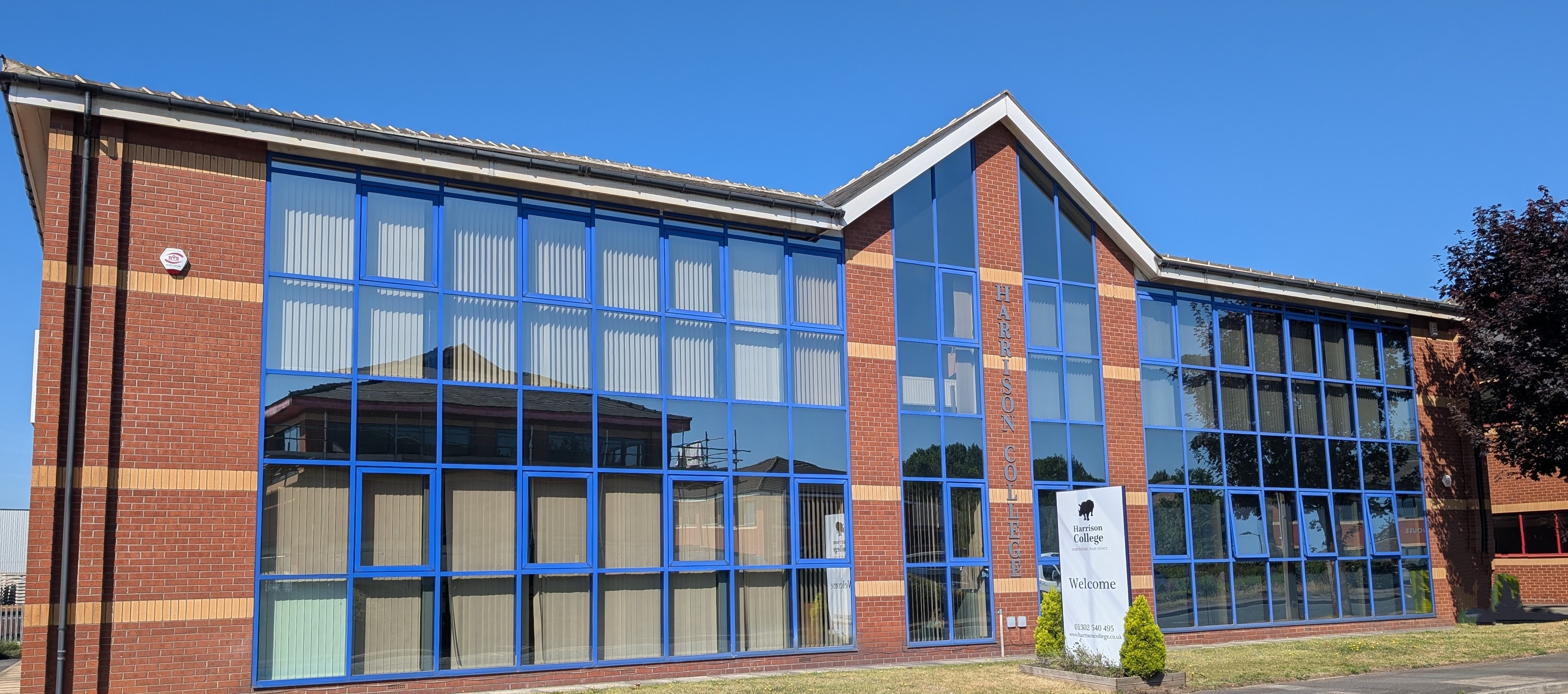
Harrison College is a specialist post-16 institution in Doncaster, supporting young people aged 16-25 with ASD, ADHD and/or SEMH needs. Our learners often benefit from personalised approaches to learning, including small class sizes, targeted interventions and flexible support, enabling them to develop confidence, independence and employability skills within a safe, ambitious environment. Over the past two years, Skills Builder has become fully embedded across the college and is now at the heart of our curriculum, careers programme and preparation for destinations. What began as a framework for teaching transferable skills has evolved into a whole-college approach, with learners regularly assessing, reflecting on and developing the eight essential skills through academic learning, employer projects, encounters with industry and internships. Skills Builder is no longer embedded solely with learners and staff, it has become a shared language across our entire college community. Parents and carers actively engage with the framework, helping to recognise and reinforce skill development beyond the classroom. Employer partners also use the language of the essential skills when supporting work experience, internships and providing feedback, ensuring a consistent understanding of progress and expectations. Located on a business park, learners are immersed in a professional environment where conversations about careers and workplace expectations happen naturally. Skills Builder language is used consistently across lessons, tutorials, reviews and work placements, helping learners identify, articulate and evidence their growth. Through this sustained commitment, we have seen increased learner confidence, stronger employer engagement and improved progression outcomes, with many learners moving into internships, employment, apprenticeships and further education. Skills Builder helps our learners understand not only what they are learning, but why those skills matter for their future lives and careers.
Overall impact
The impact of Skills Builder at Harrison College has extended far beyond the classroom. Over the past two years, the framework has become the foundation of our curriculum, careers programme, employer engagement and preparation for adulthood offer. Learners now have a clear understanding of the skills employers value and can confidently identify, evidence and articulate their strengths. For learners, the framework has increased confidence, self-awareness and independence. Many now use the language of the essential skills naturally when reflecting on projects, internships and future career aspirations. The structured progression steps have enabled learners to recognise their development and celebrate achievements that may previously have gone unnoticed. For staff, Skills Builder has provided a consistent language and approach to teaching, assessment and feedback. It has strengthened curriculum planning and ensured that employability skills are explicitly taught and reinforced across all learning experiences. Parents and carers are more engaged in discussions about skills and progression, helping to reinforce development beyond college. Employers have also embraced the framework, using the language of the essential skills during internships, projects and workplace feedback. Highlights include the development of employer-led projects, Skills Builder digital badging through Globalbridge, increased skills recognition through learner awards, and stronger progression outcomes into internships, apprenticeships, employment and further education. The Skills Builder resources and Universal Framework have given us a clear structure that enables learners to move from understanding a skill to demonstrating it confidently in real-world situations
Principle 1: Align
At Harrison College, the language of the essential skills has become a shared language across the entire college community. Skills Builder is embedded within our curriculum, culture, values, assessments, reports, internships, employer engagement activities and strategic planning. Learners encounter the language of the eight essential skills every day through lessons, projects, reviews and workplace experiences. Consistency is achieved using a common framework across all staff, curriculum areas and employer partnerships. Skills Builder language is incorporated into lesson resources, student self-assessment activities, progress reports, internship observations and employer feedback. Parents and carers are introduced to the framework through reviews, support events and college communications, helping them understand and reinforce skill development beyond the classroom. Employer partners also use the language of the essential skills during visits, workshops, internships and challenge projects. This creates a consistent message for learners and ensures they hear the same terminology from staff, parents and businesses. Our best practice is to embed skills into the culture of the organisation rather than treating them as a standalone initiative. By incorporating Skills Builder within our culture handbook, values, employer engagement strategy and destination planning, essential skills are understood and valued by learners, educators, leaders, parents and employers alike. This consistent approach has created a common understanding of employability, progression and personal development across the entire Harrison College community.
Principle 2: Plan
At Harrison College, essential skills are introduced from a learner's first day and remain at the centre of their study programme throughout their journey. Regardless of pathway, starting point or future career aspirations, learners have planned opportunities to develop and revisit the eight essential skills through lessons, projects, employer engagement and internships. Our curriculum is built around the Skills Builder Framework, with dedicated teaching, assessment and reflection embedded across all year groups. Skills are mapped across the academic year and revisited regularly, allowing learners to build confidence and progress over time. Learners can clearly identify where they are working within a skill and understand what the next step looks like. An inclusive approach is central to our model. As a specialist provider for young people with additional needs, we recognise that learners progress at different rates. The step-based framework allows teaching and support to be personalised, ensuring all learners can experience success while continuing to be challenged appropriately. Progress is tracked termly and used to inform teaching, interventions and individual learning plans. This ensures continuity between curriculum activities, internships and preparation for adulthood outcomes. Our best practice is to make skills development visible and meaningful. When learners understand their own progress and can see how skills connect to employment and independence, they are more motivated to continue developing them. This has helped us create a skills based journey that supports sustained growth from enrolment through to successful destinations.
Principle 3: Measure
Assessment is a key part of our Skills Builder approach. We use the Universal Framework to provide a consistent method of assessing, tracking and developing learner progress across both classroom and workplace settings. Learners engage in self-assessment, reflection, benchmarking activities and employer reviews to understand their strengths and areas for development. Progress is captured through Skills Builder benchmarks, lesson-based assessment activities, internship observations, employer feedback and termly college-wide tracking systems. Learners also build evidence through projects, reflections and Globalbridge portfolios, enabling them to recognise and showcase their development over time. Assessment directly informs teaching and support. Data is reviewed regularly to identify strengths, development areas and progression trends. This information is used to adapt teaching, create targeted interventions, shape academy programmes and inform individual learning plans. Assessment outcomes also help determine which skills require additional focus within employer projects and workplace experiences. The combination of self-reflection, educator assessment and employer feedback provides a comprehensive picture of learner development. Workplace observations are particularly valuable because they demonstrate how effectively learners transfer and apply their skills in real-world environments. Our best practice is to ensure assessment is meaningful rather than simply measuring attainment. By connecting assessment outcomes directly to teaching, intervention and destination planning, learners can clearly see the purpose of their development and understand how essential skills support future success
Principle 4: Teach
Essential skills are explicitly taught at Harrison College through dedicated curriculum time and carefully planned learning activities. Our curriculum is structured around the eight essential skills, ensuring all learners receive focused teaching alongside opportunities for application through projects and employer engagement. Lessons are planned using the Skills Builder Framework, with educators identifying specific skill steps, learning objectives and progression opportunities. Skills are explicitly referenced within lesson resources, project briefs and assessment activities so that learners understand what they are developing and how they can improve. Teaching is brought to life through employer-led projects, role-play activities, challenge-based learning and industry partnerships. Learners design airport terminals, develop housing projects, create community campaigns and solve real business problems while receiving explicit instruction on the essential skills required for success. Dedicated time for skills development is built into timetables and curriculum plans, ensuring learners receive structured teaching that is appropriately pitched to their stage of development. Assessment information is used to identify individual needs that adapt teaching accordingly and inform intervention or specialised support. Our best practice is to teach skills deliberately before expecting learners to apply them. By combining direct instruction with real employer projects, learners gain a deeper understanding of each skill and are more able to transfer that learning into internships, employment and adult life.
Principle 5: Practise
At Harrison College, essential skills are reinforced through every aspect of the learner experience. As a specialist business and enterprise college, our curriculum, enrichment programme and employer engagement activities are designed to provide regular and meaningful opportunities for learners to practise the eight essential skills. Learners apply skills through employer projects, digital skills activities, financial education, enterprise challenges, community projects and internships. Beyond the curriculum, learners participate in enrichment opportunities including the Duke of Edinburgh Award, sports and fitness activities, leadership programmes, residentials, cultural visits and employer-led experiences. Each year, learners engage with hundreds of employers through workplace visits, careers fairs, networking events, conferences, showcase events and industry projects. Activities such as National Careers Week, employer challenge days and group internships allow learners to practise communication, teamwork, problem solving and leadership skills in a range of authentic contexts. Many of our learners have previously experienced barriers to accessing extracurricular opportunities. We therefore deliberately provide a broad range of experiences that encourage learners to step outside their comfort zones, build confidence and apply skills in unfamiliar environments. Our best practice is to ensure that skills are practised repeatedly across different settings. The more opportunities learners have to transfer skills between projects, enrichment activities and workplace environments, the greater their confidence, adaptability and readiness for employment and adult life.
Principle 6: Apply
As a destination focused college, Harrison College places real-world application at the centre of learning. Almost all curriculum delivery is linked to employers, industry partners or community organisations, ensuring learners regularly apply their essential skills through meaningful projects and experiences. Learners participate in employer-led challenge projects, National Careers Week activities, community initiatives, enterprise events and internships. Projects have included designing airport facilities, creating safety campaigns, supporting charities, delivering conference activities and responding to live employer briefs through our ‘The Apprentice’ style challenges. Many learners also participate in group internships and industry skill academies within sectors including retail, hospitality, logistics and environmental conservation. These experiences allow learners to apply communication, teamwork, problem solving, leadership and self management skills in authentic workplace settings. Learners attend careers fairs, networking events, business showcases, workplace visits and themed employer engagement weeks throughout the year. They work alongside professionals, present ideas to business leaders and contribute to projects with real outcomes. Through these opportunities, learners develop a strong understanding of how essential skills transfer into employment and adult life. Our best practice is to ensure every skill has a purpose. By linking learning directly to employers and workplace experiences, learners can clearly see why skills matter and how they contribute to future success. This approach has strengthened confidence, employability and progression outcomes across the college
What's next
Our next stage of development is focused on strengthening the recognition, application and external impact of essential skills. We will continue embedding Skills Builder across all areas of college life while expanding opportunities for learners to evidence and showcase their progress. A key priority is our ongoing partnership with Skills Builder and Globalbridge to develop digital skills passports and micro credentialing opportunities. This will enable learners to capture, evidence and share their skills development with employers in a meaningful and accessible format. We will also further strengthen employer engagement through HC Connect, our business networking community, and continue to expand opportunities for industry led projects, internships and workplace learning. Our annual conference will remain a platform for sharing best practice and championing essential skills within education and employment. Internally, we will continue refining our tracking and assessment processes to ensure learners can clearly see their progress and next steps. We also aim to support more employers and partner organisations in adopting the language of the essential skills. We are committed not only to developing essential skills within Harrison College but also to influencing wider practice across education, business and the community. Our ambition is to continue acting as a hub for skills development, supporting young people to become confident, employable and ready for successful futures.