Every child deserves an education that nourishes their wellbeing, builds their confidence, and prepares them to navigate a complex, rapidly changing world. For decades, enrichment experiences - from outdoor residentials and competitive sports to drama productions and civic volunteering - have been celebrated for their capacity to support personal, social, and emotional growth.
Yet, historically, enrichment has sat on the periphery of strategic educational planning. Too often treated as an optional extra, it has functioned as a privilege for some while remaining out of reach for others, particularly disadvantaged pupils and those with Special Educational Needs and Disabilities (SEND).
At the Skills Builder Partnership, our mission is clear: one day, everyone will build the essential skills to succeed. We address social mobility head-on, actively breaking the ‘skills trap’ that holds back disadvantaged learners. Without equal, intentional access to build essential skills during formal education, young people face systemic barriers that follow them into their adult lives and careers. Working closely with our partners, we create equal opportunities for these learners to build the essential skills they need to thrive
The landscape of UK education is shifting in favour of a more equitable approach. With the introduction of the new Enrichment Benchmarks and an intentional focus from Ofsted on structured personal development, school leaders have a clear opportunity to integrate enrichment into the core of their strategy. However, to ensure these experiences truly transform lives, we must address a critical factor: making essential skills explicitly visible, intentionally taught, and consistently evaluated across every setting.
The Universal Framework for essential skills
The Universal Framework defines eight essential skills - those highly transferable skills that everyone needs to do almost any job, which support the application of technical knowledge and skills.
Communication
- Listening (receiving, retaining, and processing information)
- Speaking (transmitting information or ideas)
Creative Problem Solving
- Problem Solving (finding solutions to challenges)
- Creativity (using imagination and generating new ideas)
Self Management
- Adapting (overcoming challenges and setbacks to achieve goals)
- Planning (setting goals and designing routes to achieve them)
Collaboration
- Leadership (supporting, encouraging, and motivating others to achieve a shared goal)
- Teamwork (working cooperatively with others to achieve a shared goal)
The new policy landscape: Levelling the playing field
The Department for Education’s Enrichment Benchmarks represent a significant national commitment to levelling the playing field. By establishing a structured framework across five core strands - and supported by resources like the Enrichment for All Benchmark Companion Toolkit - policy is aligning with what innovative educators have long advocated: rich, broad learning experiences belong to every child, not just a fortunate few.
Here is an example of how you could start to strategically align the essential skills with your enrichment provision:
While the Enrichment Benchmarks are non-statutory, Ofsted’s inspection framework places a clear focus on enrichment provision within the Personal Development judgement. Inspectors are looking beyond ad-hoc events or isolated trips. They expect schools to demonstrate an intentional, inclusive, and progressive model that benefits all pupils. Universal access to high-quality enrichment, both within and beyond the standard curriculum, fundamentally broadens every young person’s horizons.
Essential skills: The golden thread of effective enrichment
Enrichment is by no means a one-size-fits-all model. Settings vary in context, location, and resources, finding distinct, innovative ways for learners to access high-quality opportunities across the five strands.
However, as school leaders reflect on their next steps - reassured that this is about enhancing existing provision rather than starting from scratch - one principle remains fundamental: essential skills cut across every single enrichment experience.
Without a shared language to articulate what is being learned, an enrichment activity risks failing to realise its full developmental value. When essential skills are explicitly woven through these activities, those same experiences become transformative milestones of personal growth.
Making progress visible: The Universal Framework in action
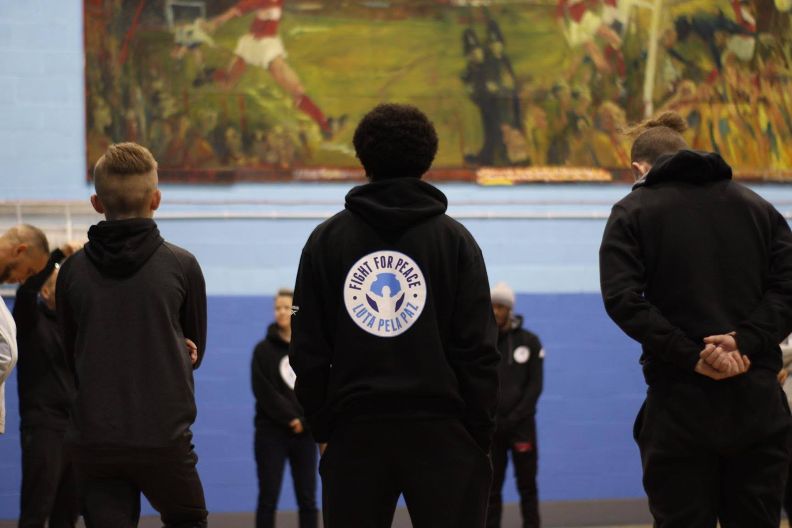
High-impact educational settings are already demonstrating how powerful this approach can be. At Oasis Academy Brislington, for example, leaders ensure that essential skills are explicitly visible, taught, and evaluated throughout their entire enrichment offer.
Partnering with Skills Builder Partnership and embedding our Universal Framework equips your institution with explicit skill outcomes and clear developmental milestones. The Framework breaks eight essential skills down into 16 teachable, measurable steps - moving from absolute beginner through to mastery.
When schools implement this shared language:
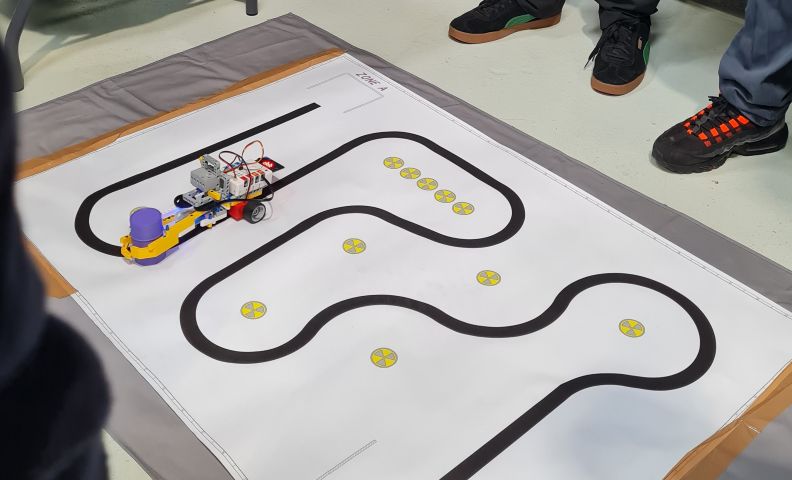
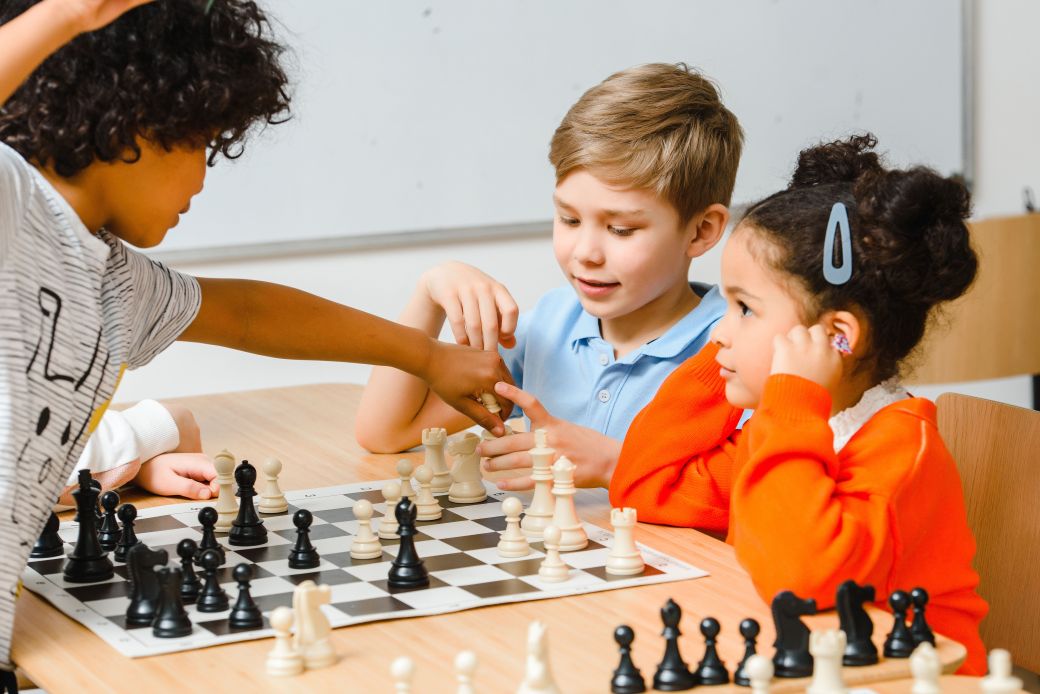
- Learners build self-awareness: Pupils see how the teamwork practised during a science project, the problem solving honed in a chess club, or the communication developed in English transfer directly to the sports pitch, the drama studio, or a residential challenge.
- Progress becomes measurable: Instead of vague assertions about ‘building confidence,’ educators can track concrete progress along clear developmental steps.
- Growth is celebrated: Pupils actively track their progression across diverse activities, celebrating tangible milestones in their personal development.
By embedding the Universal Framework, your enrichment strategy becomes both purposeful and measurably progressive. Essential skills become your golden thread, tying varied extra-curricular activities and classroom learning into a cohesive, transformative experience for every child.
Building connected pathways for every learner
When we make essential skills the foundation of enrichment, we do more than fulfill inspection requirements or check policy boxes - we build equity. We ensure that every child, regardless of their background, neurodiversity, or starting point, leaves education equipped with the agency, resilience, and capability to navigate their future.
Educational leaders have a unique opportunity to shape a system where enrichment is no longer an optional luxury, but a core pillar for social mobility. By defining, teaching, and measuring essential skills, we create a clear pathway from childhood experiences to lifelong success.
Take the next step
We equip our partners with the shared language and expertise to make the development of essential skills accessible for everyone, everywhere.
Connect with the Skills Builder Partnership today to adopt the Universal Framework, align your enrichment strategy with national benchmarks, and ensure every learner builds the skills to succeed.
We’re looking to work with new schools and colleges from January 2027. Contact us to find out more.