By clicking “Accept”, you agree to the storing of cookies on your device to enhance site navigation, analyse site usage, and assist in our marketing efforts. View our Privacy Policy for more information.
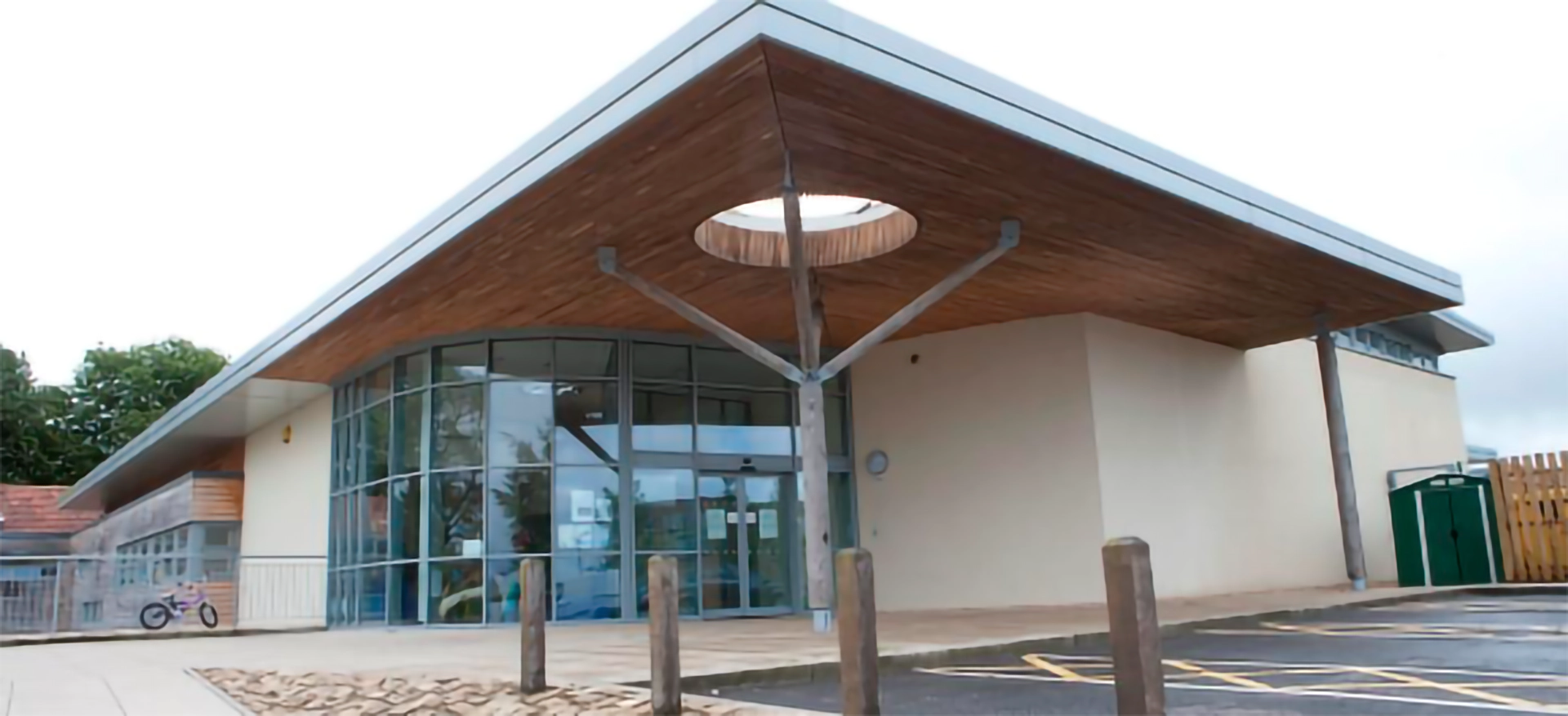
Three Ways School is a Single Academy Trust, operating as a generic Community Special School. It opened in September 2007 on our existing site, prior to 2007 there were three separate Special Schools in Bath that amalgamated in September 2005. The school provides for 240 children with a wide range of Special Educational Needs.
Three Ways is divided into 4 departments to enable curriculum delivery and expectations that are age appropriate to all pupils.
We offer a Pre-Formal, Semi-Formal and Formal Curriculum. We use the National Curriculum as a basis for curriculum development and add to this a wide range of additional activities for Cognition, Communication. Physical/Sensory and Social, Emotional and Mental Health development. We believe in a holistic approach to learning and work closely with a wide range of multi-agency professionals to ensure “access to achievement” for all. We work in partnership with families and carers to ensure everyone is a valued member of our school community.
At Three Ways School we want our curriculum to be meaningful and functional. We work hard as a team to ensure the best possible outcomes for our pupils as they go on their educational journey. We want to inspire a love of learning in our pupils and inject a sense of fun and positivity in our school environment through a close knit, family style community. Our team of staff and therapists offer a wide level of expertise, enhanced by excellent facilities and resources.
Our school vision “Access to Achievement” is achieved by our school values “Be Ready, Be Kind, Be Brave” ensuring our pupils show readiness for learning, kindness to all and a brave approach to develop new skills in preparation for their future. Every pupil is an individual, and our ambition is for everyone to thrive.
We got involved with Skills Builder through a trial programme 3 years ago and now use it to create a golden thread supporting our careers programme throughout the school.
Overall impact
Initially it was difficult to embed a new programme into school as our classes are so diverse, however we have found that drop down days each term focussing on 2-3 skills have been successful in assisting everyone to practice work related learning skills at their level. We are able to assess students' learning and have linked the Skills Builder programme to Evidence for learning, work experience and programmes with the Bath Rugby Foundation.
Using challenge days and enterprise projects we have been able to create whole school experiences which are celebrated. Alongside this, these skills are recognised and celebrated in assemblies weekly.
Principle 1: Align
The essential skills are displayed in all classrooms and referred to during curriculum sessions. They are embedded in our evidence for learning and can be added to young people’s profiles alongside pictures of achievements. Drop down days enhance the language and highlight skills to staff and students, as do assembly certificates and presentations. Our work experience refers to the essential skills and we have an annual secondary programme with the Bath Rugby Foundation which is linked to work related learning skills.
Principle 2: Plan
Essential skills are highlighted by class teachers using reward certificates weekly. All classes take part in an enterprise project linked to our Christmas Fayre in Terms 1 and 2 focussing on 2-3 essential skills. In terms 3 / 4 and 5 / 6 the school has a drop down day using the Skills Builder challenge days. All classes take part and adapt the resources to their students ability and level of understanding, allowing the students to experience using essential skills at their level. The final results are showcased and photographs taken for evidence. Careers leaders also use this time to assess teaching and learning across the school. Classes are measured by staff at the beginning and end of a term on the essential skills being developed that term.
Principle 3: Measure
We use the universal framework to assess classes at the beginning and end of the terms i.e 3 times per year. Teachers link resources to the level that is appropriate for their learners and monitor success using our evidence for learning framework which is updated 3 times a year. Careers leaders use staff meetings to ensure staff are able to access resources and assess appropriately. Careers leaders use drop down days to record and evidence teaching and learning alongside meetings with class teachers to support delivery.
Compass Plus is used to record progress and Skills Builder evidence helps inform this. Key stage 4 students have exams in careers and work related learning subjects linked to our school café. Success is measured by results in year 11.
Principle 4: Teach
Careers lessons are timetabled weekly for key stage 3, 4 and 5 and primary classes have themes that can be linked to essential skills. Staff use Skills Builder resources as well as bespoke sessions e.g. WJEC and AQA exam related lessons which naturally link to the essential skills. Work experience placements both on and off site provide excellent opportunities to practice and identify teaching opportunities related to essential skills. We are fortunate to be well supported by our community so all young people experience this during their time at Three Ways. From taking the trolley around to sell to staff, working in the café or external experiences, both supported and independent., we are proud of our diversity to suit all students and offer direct experiences to rehearse skills.
Principle 5: Practise
Employers come in to talk to secondary classes about their job roles. This links subject areas to certain careers. Subject coordinators link essential skills to lessons and also discuss career opportunities linked to their subject. Students are helped to recognise their strengths and practice areas they wish to develop. We have alumni visit each year to present, visit workplaces and colleges on life skills days and have mock interviews annually for years 10, 11,12 and 13. All of these sessions allow exploration and practice of essential skills.
Principle 6: Apply
We have a café on site which is open to the public, this allows young people to develop their essential skills starting with trolley delivery in the school to serving customers and preparing food in the café. External work experience programme annually for Key stage 4 and sixth form.
Mock interviews with employers for key stage 4 and sixth form.
Enterprise project for our Christmas Fayre for the whole school annually.
College visits.
Work insights on teams termly for secondary and sixth form classes.
Essential skills linked to all class visits throughout the school.
Life skills trips for key stage 4 and sixth form weekly.
Alumni event.
What's next
Looking at developing programmes that grab the interest of parents so essential skills can be developed further at home. Also to raise parental expectations of our young people.
Develop:
Parents coffee mornings more frequently.
Skills Builder activities at parents’ evenings.