By clicking “Accept”, you agree to the storing of cookies on your device to enhance site navigation, analyse site usage, and assist in our marketing efforts. View our Privacy Policy for more information.
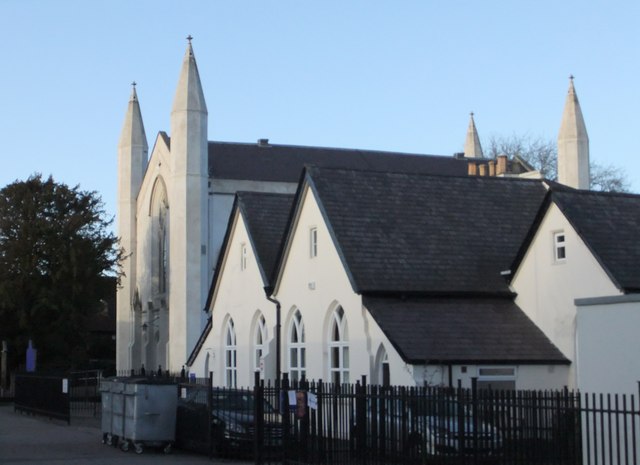
St Paul's Church of England Primary School is a one-form entry primary school situated in Mill Hill, in the London Borough of Barnet. The school serves approximately 200 pupils from Reception through to Year 6, with a staff team of 12. As a Church of England school, the Christian faith underpins everything the school does, and this is reflected in its core values of Creativity, Christian Service, Curiosity, Communication, Adaptability and Respect. The school is a Unicef Rights Respecting and places pupil wellbeing at the heart of its work. Under the leadership of Executive Headteacher Anthony David and Head of School Gemma Seymour, St Paul's has developed a strong ethos of aspiration — equipping children not just academically, but with the skills, character and confidence they need to thrive in the wider world. It is within this context that the school has embraced the Skills Builder framework, recognising the essential skills as integral to its mission to prepare children for life beyond school.
Overall impact
The Accelerator programme has had a profound and lasting impact across our whole school community. For teachers, it has provided a clear, structured framework that has become embedded in everyday practice rather than feeling like an additional layer of work. Staff now plan with essential skills in mind as a matter of course, and the shared language of skills has created consistency and confidence across all year groups, from EYFS through to Year 6.
For children, the impact has been most visible in their growing ability to articulate and reflect on their own learning. Children talk confidently about the skills they are developing, identify the step they are working towards, and make meaningful connections between their skills and activities both in and beyond the classroom. Skill stories, floor books, and self-reflection resources have given every child — regardless of ability — a way to see and celebrate their own progress.
The wider community has also been drawn into this shared language. Parents receive updates through regular communications, and the introduction of Career Insights sessions has helped children begin to understand how essential skills translate into the world of work, broadening their aspirations and sense of possibility.
Particular highlights have included our whole-school STEM Week, in which creativity and teamwork were placed at the heart of cross-curricular challenges, and our World Cup Day, which combined the excitement of a school tournament with meaningful skill reflection and a celebration ceremony. The consistent use of collective worship to launch each half-term skill focus has been especially powerful in creating a sense of shared community purpose around skills.
Principle 1: Align
Essential skills are embedded within the school's core values — Creativity, Christian Service, Curiosity, Communication, Adaptability, Respect and Encouragement — creating a natural, shared language across the whole community. Skills are launched each half term through collective worship, ensuring all children and staff begin with a common focus. Visual displays are in place across classrooms from EYFS to Year 6, with skill icons consistently on show. A celebration assembly takes place every Friday where skills are recognised and rewarded, and certificates are issued to children at the end of each half term. Skills Builder is implemented across the whole school, from EYFS through to Year 6, ensuring every child has access to a progressive programme of skills development. A new skill is introduced each half term, launched through collective worship to create a whole-school moment of engagement. Skill stories are used in the early years, with age-appropriate resources in place at every stage. This consistent, school-wide approach means that children build on prior learning year on year, with skills forming a continuous thread throughout their time at the school. and Governors have also been briefed, with a presentations to introduce skills builder and updates, further embedding the skills within the school's strategic direction.
Principle 2: Plan
Skills Builder is implemented across the whole school, from EYFS through to Year 6, ensuring every child has access to a progressive programme of skills development. A new skill is introduced each half term, launched through collective worship to create a whole-school moment of engagement. Skill stories are used in the early years, with age-appropriate resources in place at every stage. This consistent, school-wide approach means that children build on prior learning year on year, with skills forming a continuous thread throughout their time at the school. Parents were introduced to Skills Builder and receive fortnightly updates in the school newsletter, this includes activities for parents to complete at home with their children.
Principle 3: Measure
All teachers use the Skills Builder Hub to baseline their classes at the start of each skill period and complete a follow-up assessment at the end, enabling them to track progress and identify next steps. This formative assessment cycle has been embedded across the school, with regular communication to staff to ensure baselines are completed consistently and on time. Assessment data informs lesson planning and supports teachers in pitching teaching at the right level for their pupils. Older or more able learners are given opportunities to reflect on their own skill development, contributing to a culture of self-awareness and growth.
Principle 4: Teach
Each skill is taught over the course of a half term, with dedicated 20-minute timetabled sessions each week. Teachers deliver three short, focused lessons per skill, drawing on resources from the Skills Builder Hub, followed by a skill challenge and workbook reflections linked to the relevant skill step. This structured approach ensures teaching is explicit and purposeful. Differentiation is built into delivery, with skill stories and alternative resources used to support learners with SEND. The quality of resource delivery has been monitored by the head of school, with consistently high standards observed. Four skills have been fully covered and the school is now working through its fifth.
Principle 5: Practise
Teachers consistently reference and reinforce the essential skills throughout curriculum lessons, with a particular focus on Speaking and Listening, which has been linked to public speaking units and presentations across year groups. Skill displays and icons are visible from EYFS to Year 6, and the shared language of skills is a common feature of classroom dialogue. Staff meetings have been used to embed this practice and monitor consistency and the head of school has observed strong evidence of skills being integrated into day-to-day teaching. The school has many opportunities within the curriculum and school-run activities for children to practise their skills in a range of contexts.
Principle 6: Apply
Children across the school have had rich opportunities to apply their essential skills in real-world contexts. In Key Stage 2, children have participated in Career Insights sessions, giving children the chance to explore how skills are used in different workplaces. A whole-school Challenge Day took place in July and a local MP visited the school, giving children a meaningful encounter with civic life. A World Cup tournament was held with links to skills, including a closing ceremony and certificates. STEM week focused on creativity and teamwork and regular forest school sessions provide further hands-on learning. Projects, themed days and external visitor sessions are a regular feature of school life, ensuring that all children experience the relevance of essential skills beyond the classroom.
What's next
For teachers, we are developing a curriculum mapping process that will make explicit where each essential skill is practised and developed across all subjects and year groups. This will enable staff to plan with greater intention, identify gaps and ensure that skills progression is coherent from EYFS through to Year 6.
For children, we want to increase the range of meaningful, curriculum-embedded opportunities for children to practise and reflect on their skills. By anchoring skills development more firmly within subjects such as science, art, PE, and humanities, we aim to help children make stronger connections between the skills they are building and the wider learning they are doing every day.