By clicking “Accept”, you agree to the storing of cookies on your device to enhance site navigation, analyse site usage, and assist in our marketing efforts. View our Privacy Policy for more information.
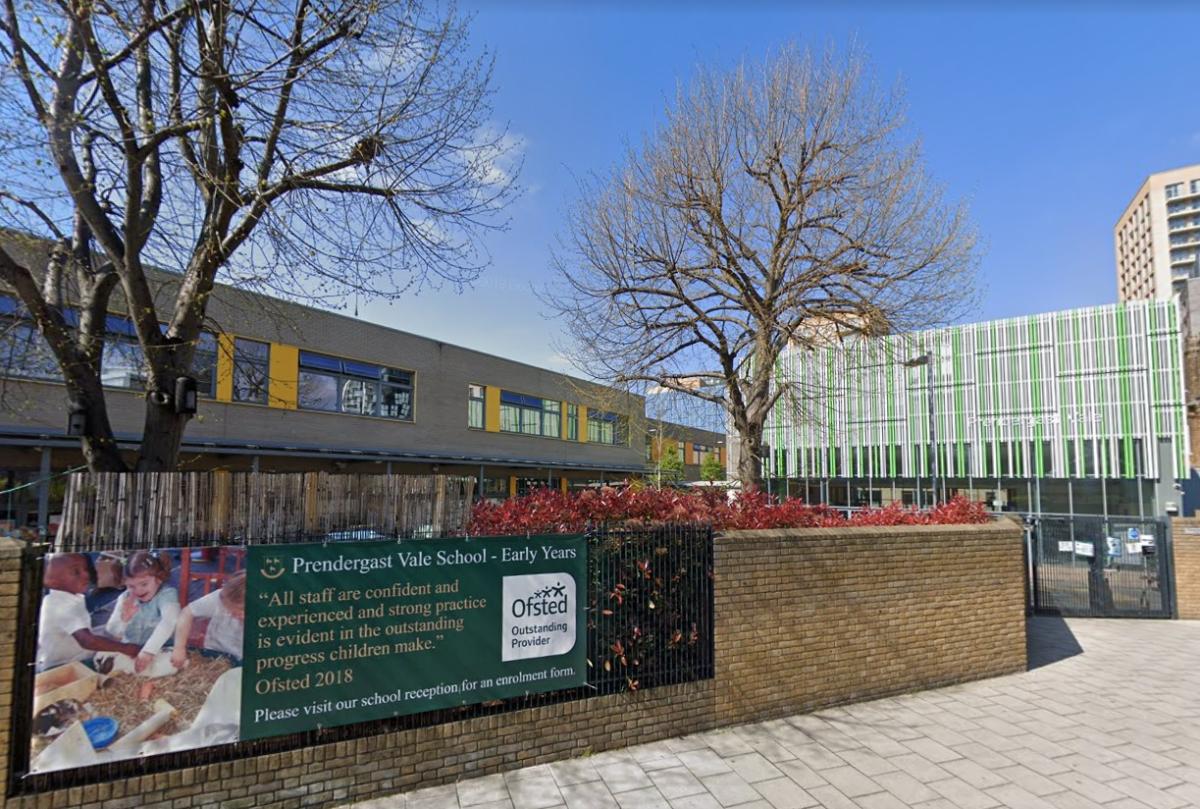
Prendergast Vale School is an all-through setting in Lewisham, South London. The primary phase focuses on fostering curiosity, ambition, and independence through a rich curriculum that supports oracy, writing, and creative development. To support school priorities such as oracy as well as ensuring that learners are future-ready through high quality careers education, the primary phase embarked on an essential skills journey through the Skills Builder Accelerator Programme.
Overall impact
Embedding the Universal Framework across the primary phase has created a shared, structured approach to skill development that integrates with existing school priorities. Learners are building and articulating key essential skills, particularly Speaking, Listening and Problem Solving. Linking essential skills to behaviour policies and reward systems has boosted engagement and helped children connect their classroom learning to creative habits and future career possibilities.
Principle 1: Align
Visual consistency is ensured through classroom posters of the skills covered. Essential skills are mapped to the school's Creative Habits, values and its praise systems, which includes school awards, stickers, and postcards, along with bespoke skill certificates. Assemblies from the Skills Builder Hub assemblies launch each new skill focus, while parents are kept informed through regular newsletters and homework tasks in areas such as oracy.
Principle 2: Plan
Skill building begins in the early years and continues sequentially across the primary phase. Skill stories engage EYFS and Year 1 learners, establishing foundational concepts early on. Structured opportunities are built into the weekly timetable for learners in Years 2 through 6 to regularly practice and build their essential skills.
Principle 3: Measure
Staff complete baseline assessments for the skills covered on the Skills Builder Hub during dedicated staff meetings. Teachers revisit these assessments half-termly and termly to monitor progress and adjust instruction. Formative assessment during lessons allows staff to evaluate learner skills mastery in relation to specific skill steps alongside Creative Habits.
Principle 4: Teach
Direct skill instruction is delivered through dedicated weekly 15-minute timetabled slots for each class. To support oracy development, the Communication skills were prioritised and covered in tandem, before moving on to Problem Solving. Teachers use short lessons from the Hub to model and teach skill development accurately.
Principle 5: Practise
Teachers signpost and reinforce essential skills in topic work throughout the wider curriculum. Speaking and Listening are embedded during group work and lesson delivery, while Problem Solving is applied within Mathematics. Essential skills are also used to break down the school’s Creativity Habits, and signpost where these are being used and developed in lessons. Year 5 and 6 learners also have the opportunity to further build and develop their oracy skills through the Economist’s Topical Talk current affairs discussion programme, which is delivered through assembly.
Principle 6: Apply
Real-world skills context is provided through Careers Insights Sessions, National Careers Week activities and external workshops. Essential skills are linked to themed months and weeks, and speakers explicitly refer to them during talks. Learners in Year 3 apply their skills through Forest School sessions, and essential skills are embedded into transition activities with Year 6, including the Fiver Challenge and the Operation Moonbase Challenge Day. This helps prepare learners for their transition to secondary school and connect this move to their skills and interests.
What's next
Future plans focus on further embedding essential skills into Humanities and RE units, alongside expanding skill-building opportunities within residential trips. The aim is also to further engage parents through dedicated workshops to support skill practice at home, refine transition resources, and continue to use essential skills to expand careers engagement across all primary year groups.