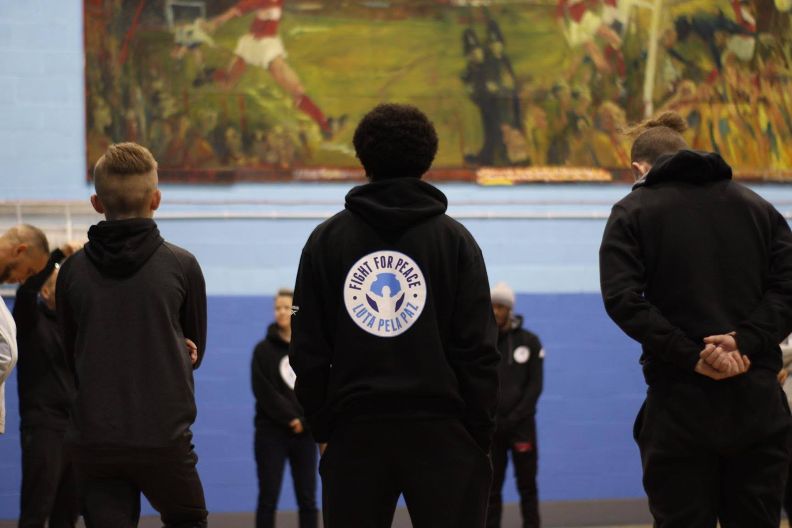
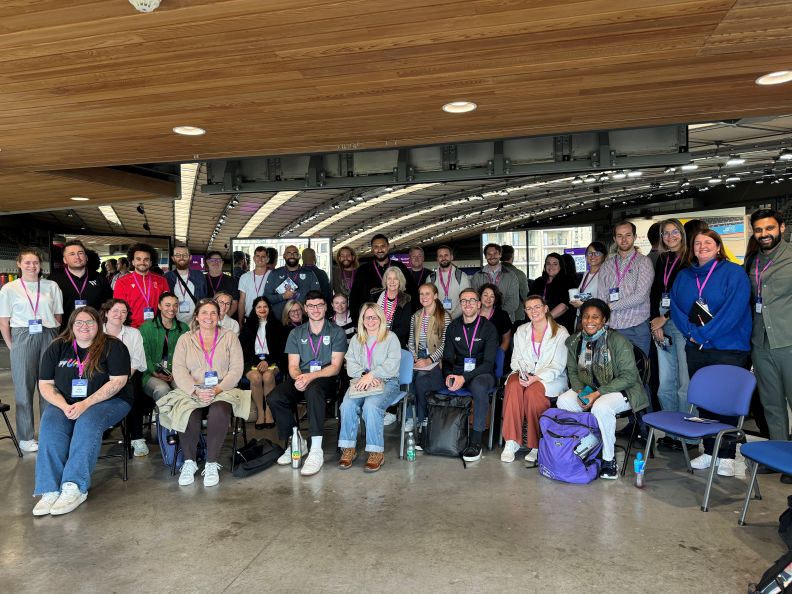
Located in West Cumbria, the Industrial Solutions Hub (iSH) is an organisation committed to its local roots. West Cumbria has a rich industrial history, dominated by its pioneering nuclear decommissioning heritage. Today, as technology evolves, the region sits on the cusp of significant opportunities in robotics, digital systems, and advanced engineering.
To turn these opportunities into reality for local people, iSH is committed to creating high-impact outreach initiatives that connect classroom learning directly with regional industry. Recognising that the future economy depends on a resilient local workforce, iSH designs its work insight programmes to give young people the tools, confidence, and practical capabilities to thrive in these high-value sectors.
This dedication to high standards was recently celebrated when iSH became the first organisation in Cumbria to be awarded the Skills Builder Silver Excellence Mark, positioning their outreach work alongside that of major national employers.
The skills gap: Moving beyond technical knowledge

While West Cumbria’s digital and engineering sectors are expanding rapidly, local employers recognise the need to find young talent equipped with both technical and professional competencies.
When designing their Robotics Sprint challenge, iSH identified two challenges:
- Inspiring young people about future opportunities in nuclear, engineering, robotics, and digital sectors.
- Helping them develop the essential skills - such as critical thinking, communication, and adaptability - needed to succeed in any modern workplace.
The programme gave students aged 16 - 18 the opportunity to work on a realistic industry challenge: designing, building, and programming a robot capable of moving simulated high-hazard waste barrels safely from one location to another.
While technical skills such as robotics, programming, and engineering were central, iSH recognised that employers need young people who can also communicate effectively, solve problems creatively, and adapt when things do not go to plan. Traditional work experience provides a valuable introduction to the workplace, but iSH saw an opportunity to build on this foundation. Rather than just observing an engineer at work, students were empowered to actively practice collaborating, problem solving, and adapting to real-world challenges as they arose.
To solve this, iSH chose to embed the Skills Builder Universal Framework to turn these qualities into tangible, measurable steps.
The Robotics Sprint: Designing an intentional learning journey
The Robotics Sprint was designed to be an immersive experience. Rather than letting skill development happen by chance, the Universal Framework helped iSH move from simply delivering an activity to designing a programme with intentional skills development built in from the outset.
Each stage of the sprint was mapped against the essential skills learners needed to develop:

By utilising the Framework, iSH provided students with weekly learning journals. This allowed learners to understand not only what they were doing, but why those activities mattered and how the skills connected to future careers.
One of the main benefits was having a consistent, shared language to describe what the learners were already developing. Rather than telling students they needed ‘better teamwork’ or ‘stronger communication’, the Framework allowed mentors and educators to use a unified vocabulary. They could target specific steps of a skill, discuss what good looked like in a professional environment, outline clear milestones to build that capability, and encourage students to actively reflect on their progress in their journals.
From setbacks to success: Measuring the transformation
By structuring the Robotics Sprint around the Universal Framework, iSH witnessed a transformation in how the students approached both the technology and each other. The results speak for themselves, with 92% of all assessed skill areas showing measurable improvement by the end of the programme.
1. Turning technical failure into iterative progress
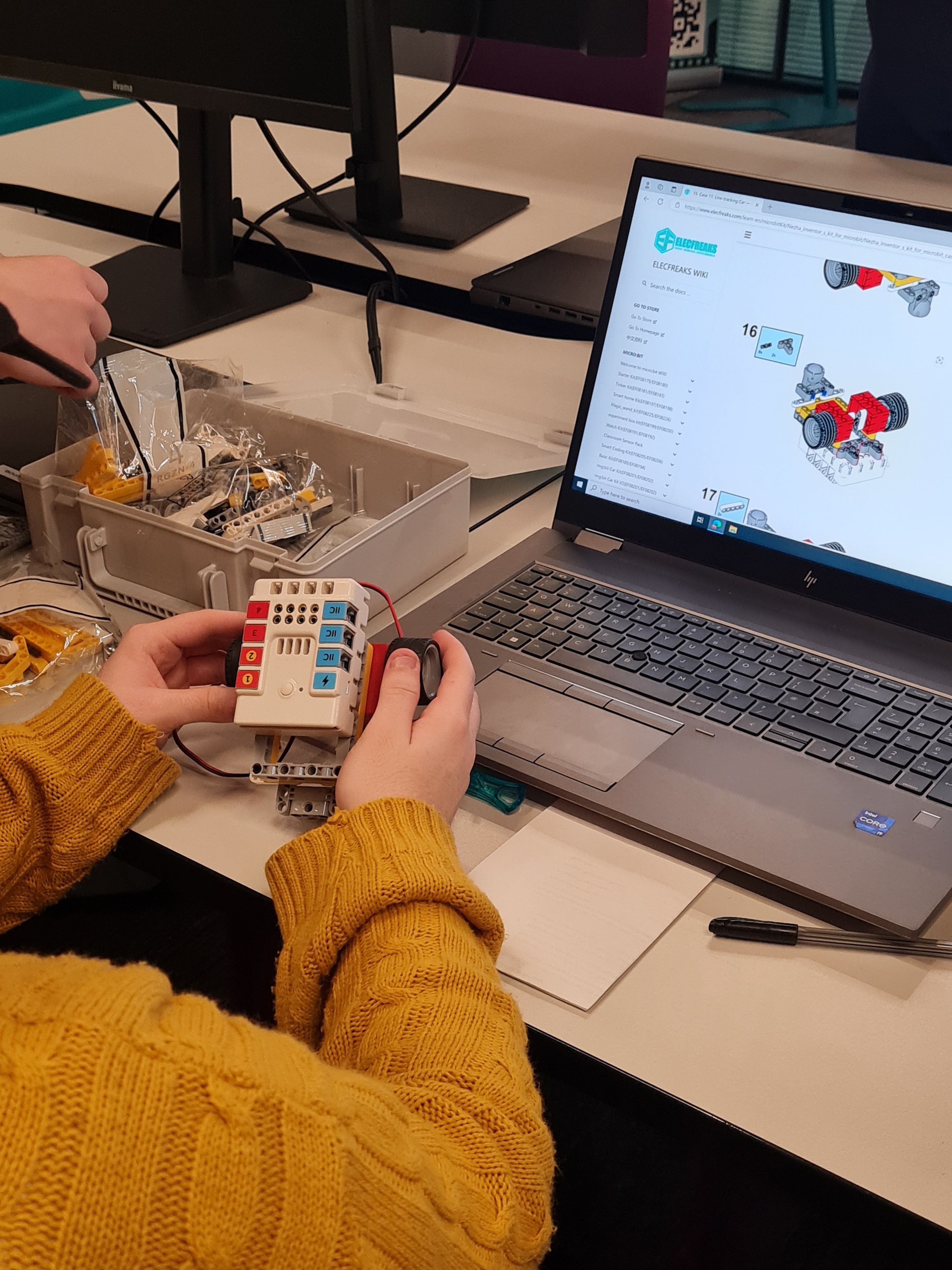
In robotics, things rarely work on the first attempt. Code crashes, sensors misread, and physical components break. At the start of the programme, some learners were hesitant about sharing ideas or taking ownership of tasks, fearing failure.
However, as the sprint progressed, the intentional focus on Problem Solving and Adapting shifted their mindsets. Learners were required to analyse problems, test potential solutions, and refine their designs when their robots did not perform as expected. Through this trial and error, they developed resilience, learning to view mistakes as opportunities for improvement rather than setbacks.
When their robots did not perform as intended, they identified potential faults in their designs or code, tested alternative solutions, and made iterative changes such as adjusting programming sequences, repositioning components, or recalibrating sensors.
Because students were guided to systematically test and refine each part of their solution, 100% of students have recorded an improvement in their Listening and Problem Solving skills as a result of the outreach programme, making them the strongest areas of development.
2. Boosting confidence and communication
One of the most noticeable changes was the rapid growth of student confidence. In the beginning, many learners were quiet and reluctant to share their ideas with their peers or the visiting industry volunteers.
Through the intentional focus on Listening and Speaking, students developed confidence in explaining their technical decisions. A strong emphasis was placed on active listening: learners were encouraged to listen carefully to instructions, feedback, and the ideas of their peers to improve their own work. This helped them to better understand different perspectives, clarify misunderstandings, and respond appropriately during group discussions.
By the final presentation, their ability to communicate with industry mentors had improved significantly. They reflected not only their own ideas but also the input they had gathered from discussions, showing they had listened, processed information, and used it to improve their outcomes.
3. Real-world validation at RAICo
The proof of the programme's success occurred during the final showcase event at RAICo (the Robotics and AI Collaboration hub). The winning team, representing West Coast Sixth Form, successfully designed, built, and programmed a robot to complete the nuclear challenge. Their victory was down to a combination of great coding as well as their ability to communicate effectively, listen to one another under pressure, and adapt their strategy.
4. Strengthening industry mentorship
For the industry volunteers who supported the sprint, the Universal Framework provided the structure and language needed to guide young people effectively. Mentors reported that they felt far more confident because beyond supervising technical tasks, they also actively coached essential workplace behaviours that they knew would serve these young people in their future careers.
Reflections from the Skills Lead
"At Industrial Solutions Hub (iSH), we have developed and delivered a skills programme that successfully connects education with real-world opportunity, with industry challenges at its core. The programme equips individuals with the confidence, practical skills, and insight needed to thrive in the future workforce.
Through a structured and well-coordinated approach, iSH delivers high-impact initiatives that create meaningful opportunities for learners, while enabling employers to build resilient, future-ready talent pipelines.
Partnering with Skills Builder allows us as an organisation to demonstrate our commitment not only to technical skills, but also to essential skills for work, ensuring that the young people and adults we work with can progress across a wide range of career pathways."
Hannah Pears, Skills Lead for iSH
The foundation of a successful initiative
- The power of a shared language: The Skills Builder Universal Framework bridged the gap between education and industry, providing students, teachers, and employers with a common vocabulary to discuss personal growth and professional competency.
- Intentional design: The Robotics Sprint succeeded because essential skills were baked into the programme from day one, ensuring that every hands-on activity directly challenged students to practice their essential skills.
- Practical industry context: Working on a real-world nuclear decommissioning challenge alongside active industry mentors made the learning environment feel highly relevant to future local employment.
Building a stronger regional economy through collaboration
By successfully weaving essential skill development into the highly technical landscape of robotics, iSH has proven that place-based outreach can build a strong, confident, and future-ready workforce. When we give young people a structured way to build their confidence, problem solving, and teamwork skills, we are empowering them to build their own futures.
Start building essential skills today
- Explore the Framework: Learn more about how the eight essential skills can be embedded across all areas of education, work and life by exploring the Universal Framework.
- Join the movement: Partner with us to transform your work insight programmes, bridge the gap between education and industry, and build a resilient, future-ready talent pipeline.